


PPR vs PVC vs GI Pipes: Which Pipe Is Best for Your Home?
When building or renovating a home in Pakistan, plumbing is one of the decisions that should never be taken lightly. From the hot summers of Punjab and Sindh to changing water pressure, underground water tanks, bore water, and the widespread use of geysers, your plumbing system has to handle different conditions throughout the year.
The problem is that most plumbing pipes are installed inside walls, floors, and ceilings. Once the construction is complete, replacing a poor-quality or incorrectly selected pipe can become expensive, messy, and time-consuming. A small saving during construction can therefore turn into a much bigger repair bill later.
In Pakistan, GI, PVC/uPVC, and PPR pipes are among the most commonly considered options for residential plumbing. But they are not designed for exactly the same purpose. Some are better for drainage, some for cold-water supply, and others are more suitable for hot-water systems.In this guide, we compare PPR vs PVC vs GI pipes to help homeowners in Pakistan choose the right plumbing solution for their homes.
So, which pipe is actually best for your home? In this guide, we compare
PPR vs PVC vs GI pipes
based on durability, hot- and cold-water use, leakage risk, corrosion, installation, and cost, so you can make a more informed decision before starting your plumbing work.
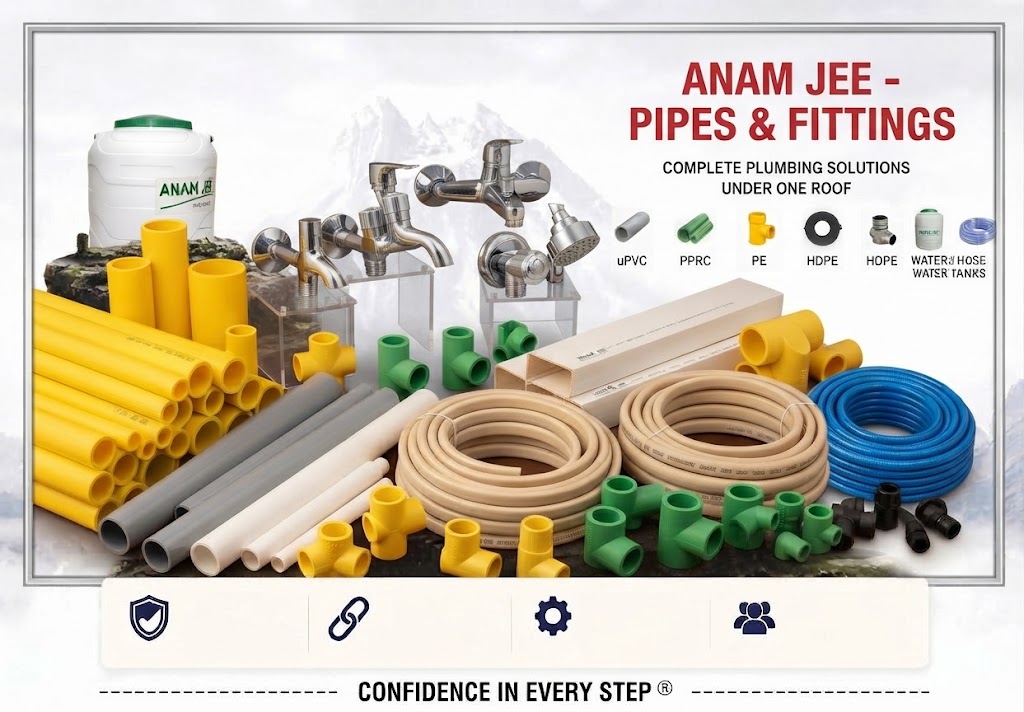
Optimize your plumbing and construction projects with Adam Jee Pipes, a premier manufacturer of high-quality piping systems. Our comprehensive product range includes durable uPVC, PVC, PPRC, and PE pipes, alongside a vast selection of precision-engineered fittings, all designed to ensure leak-proof and long-lasting performance. Trust Adam Jee Pipes for reliable, high-standard solutions that deliver unmatched durability and complete peace of mind for every residential and commercial application.
1. GI (Galvanized Iron) Pipes
GI pipes were once one of the most commonly used options for residential plumbing. They are very strong, but they also have some disadvantages:
- Over time, they can develop rust and corrosion from the inside, which may affect the color and taste of the water.
- They are heavier, making transportation and installation more difficult and expensive.
- Their threaded joints can increase the risk of leakage.
Understanding the differences between PPR vs PVC vs GI pipes can help you select the right material based on your plumbing requirements.
Where are they suitable? GI pipes can be useful where high mechanical strength is required or when repairing existing plumbing lines.
2. PVC / uPVC Pipes
PVC pipes are widely used today for drainage, sewerage, and cold-water supply.
- Affordable: A cost-effective option for many plumbing applications.
- Lightweight: Easy to transport and install.
- Corrosion-resistant: They do not rust, and their smooth internal surface allows good water flow.
- Long-lasting: With proper installation, they can provide reliable service for many years.
Limitation: Standard PVC pipes are generally not suitable for hot water. High temperatures can soften or deform the material, so they should not be used for hot-water lines unless the specific product is rated for that application.
If you are looking for more information about PVC pipes and their use in Pakistan, you can also read our detailed guide on PVC pipe manufacturers in Pakistan. It explains the key factors to consider when selecting PVC pipes for different plumbing applications.
3. PPR Pipes
PPR (Polypropylene Random Copolymer) pipes are becoming increasingly popular in modern homes, especially for both hot- and cold-water supply systems.
- Suitable for hot and cold water: Properly specified PPR pipes can handle both applications.
- Heat-fusion welding: The pipe and fitting are joined through heat fusion, creating a strong connection and reducing the risk of leakage when installed correctly.
- Corrosion-resistant: They do not rust, helping maintain clean water flow.
- Long service life: They can provide long-term performance with relatively low maintenance.
Limitation: PPR pipes are generally more expensive than PVC, and installation requires a trained plumber and the proper heat-fusion tools.
For additional technical information about polypropylene piping systems, the Plastics Pipe Institute’s guide to PP-R and PP-RCT pipes explains their applications, temperature and pressure capabilities, and heat-fusion joining methods.
This PPR vs PVC vs GI pipes comparison looks at durability, cost, corrosion resistance, hot-water performance and common residential applications.
Direct Comparison
| Feature | GI | PVC | PPR |
|---|---|---|---|
| Hot Water | Yes | No | Yes |
| Rust/Corrosion | Yes | No | No |
| Weight | Heavy | Light | Light |
| Leakage Risk | Higher | Moderate | Very Low |
| Cost | Moderate | Low | Slightly Higher |
| Best Use | Existing Lines | Drainage, Cold Water | Hot & Cold Water Supply |
Which Pipe Should You Use?
- Drainage and sewerage: PVC
- Outdoor cold-water lines: PVC or PPR
- Indoor hot- and cold-water supply: PPR
- Geyser/hot-water lines: Properly rated PPR
Many homeowners use the same type of pipe throughout their entire house. A smarter approach is to choose the pipe according to the specific requirements of each area. This can help save money while also improving the durability and reliability of the plumbing system.
When choosing between PPR vs PVC vs GI pipes, always consider the water temperature, pressure and intended application.
Things to Consider When Buying Pipes
- Check the standard and manufacturer. The pipe should clearly mention its size, pressure rating, applicable standard, and manufacturer information.
- Check the wall thickness. Pipes with inadequate wall thickness may fail prematurely, so choose a product suitable for the intended application.
- Use compatible fittings. Using compatible fittings and components can help ensure stronger and more reliable joints.
- Hire a skilled plumber. Even a high-quality pipe can fail if it is installed incorrectly.
- Be careful with extremely cheap products. Low-quality or improperly manufactured pipes may appear cheaper initially but can become more expensive due to repairs and replacement later.
Conclusion
There is no single pipe that is best for every application. PVC is an economical choice for drainage and many cold-water applications, PPR is a modern and reliable option for properly designed hot- and cold-water supply systems, while GI is now more commonly used for existing plumbing lines and applications where greater mechanical strength is required.
This PPR vs PVC vs GI pipes comparison shows that each material has its own advantages and is suitable for different plumbing applications.
Choosing the right pipe today can save you from many plumbing problems, repair costs, and maintenance issues in the future.